Guided rods are essential tools for anglers, impacting casting accuracy and fish-fighting ability. South African fishing benefits from understanding these crucial components,
considering economic factors like lending rates and consumer spending trends.
What is a Guided Rod?
A guided rod is a fishing rod equipped with guides – small rings strategically placed along its length. These guides serve a critical function: they manage the fishing line, ensuring smooth casting and preventing tangles. Without guides, the line would bind directly to the rod, creating friction and significantly reducing casting distance and accuracy.
The guides effectively distribute stress during a cast and, crucially, when fighting a fish. They allow the line to flow freely while providing the necessary support to handle the strain of a powerful strike or a prolonged battle. Different guide materials, like ceramic, stainless steel, and titanium, offer varying levels of durability and performance, impacting the overall fishing experience. Choosing the right guided rod is paramount for success.
The History of Guided Rod Technology
Early fishing rods, predating modern guided systems, utilized simple materials like bamboo or wood with minimal line control. The evolution of guided rod technology began with the introduction of metal rings, initially crude, to reduce friction. Over time, materials improved, transitioning from metal to more refined ceramic guides in the 20th century.
Significant advancements occurred with the development of specialized guide materials like stainless steel and, later, titanium, offering increased durability and lighter weight. Guide placement and number also evolved, optimized for different rod actions and fishing techniques. Today’s technology focuses on minimizing line wear and maximizing casting performance, reflecting a continuous pursuit of angling efficiency and enjoyment.
Types of Guided Rods
Diverse rod types cater to various fishing styles, including spinning, baitcasting, fly fishing, and telescopic options, each offering unique advantages for anglers and techniques.
Spinning Rods: A Beginner’s Choice
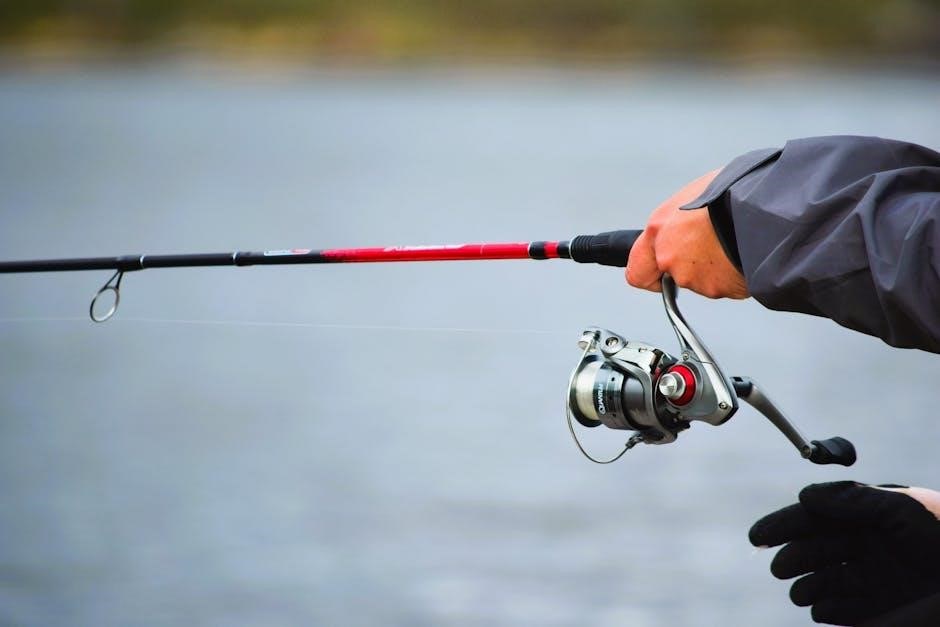
Spinning rods are widely recommended for novice anglers due to their user-friendly design and versatility. These rods typically feature a fixed spool, simplifying casting and reducing backlashes, a common frustration for beginners. They excel in presenting lighter lures and are suitable for a broad range of fish species, making them ideal for exploring different fishing techniques.
In South Africa, spinning rods are popular for targeting species like trout in mountain streams and various saltwater fish along the coast. Their affordability and ease of use contribute to their appeal, allowing new anglers to quickly develop their skills and enjoy the sport. Choosing the right spinning rod involves considering factors like length, action, and power to match the intended fishing application.
Baitcasting Rods: For Experienced Anglers
Baitcasting rods are favored by experienced anglers seeking greater control and power, particularly when handling heavier lures and targeting larger fish. Unlike spinning rods, baitcasters utilize a revolving spool, demanding precise thumb control to prevent backlashes – a skill honed with practice. This design allows for more accurate casts and enhanced lure presentation, crucial for techniques like flipping and pitching.
In South Africa, baitcasting setups are commonly employed for bass fishing in dams and rivers, as well as for targeting predatory saltwater species. While possessing a steeper learning curve, the increased performance and versatility of baitcasting rods make them a rewarding choice for dedicated anglers willing to invest the time to master their use.
Fly Rods: The Art of Fly Fishing
Fly rods represent a unique and specialized branch of angling, focusing on presenting artificial “flies” to fish using weightless lures and a specialized casting technique. These rods are longer and more flexible than baitcasting or spinning rods, designed to load and unload energy efficiently during the cast, propelling the lightweight fly forward. Mastering fly casting requires significant practice and finesse.
While less common in mainstream South African angling compared to bass fishing, fly fishing enjoys a dedicated following, particularly in the Western Cape’s rivers and streams for trout. The art form emphasizes presentation and mimicking natural insect life, offering a challenging and rewarding experience for anglers seeking a connection with nature.
Telescopic Rods: Portability and Convenience
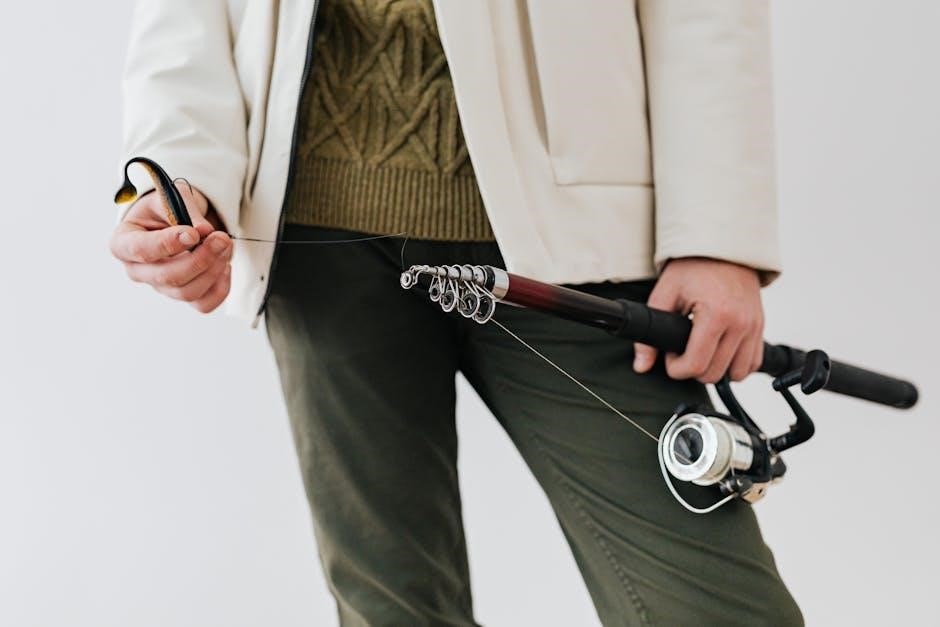
Telescopic rods excel in situations where portability is paramount. These rods collapse down into a compact size, making them ideal for travel, backpacking, or keeping in a vehicle for opportunistic fishing. While traditionally viewed as a compromise in performance, modern telescopic rods utilize improved materials and construction techniques to minimize weight and enhance sensitivity.
In South Africa, telescopic rods are popular among anglers who frequently travel to different fishing spots or those with limited storage space. They are particularly well-suited for bank fishing and smaller species, offering a convenient solution without sacrificing too much casting distance or fish-fighting power.

Key Features of Guided Rods
Key features like rod action, power, length, and material significantly influence performance. Selecting the right combination optimizes casting, sensitivity, and fish-fighting capabilities for diverse angling scenarios.
Rod Action: Fast, Moderate, and Slow
Rod action describes where a rod bends when pressure is applied, directly impacting casting distance, lure control, and hook-setting speed. Fast action rods bend primarily at the tip, offering high sensitivity and quick response – ideal for techniques requiring immediate hooksets, like Texas rigging or jigs.
Moderate action rods bend more towards the middle, providing a balance between sensitivity and power, suitable for versatile techniques like crankbaiting or spinnerbait fishing. Slow action rods bend along most of their length, offering excellent shock absorption and forgiveness, making them perfect for lighter lures and delicate presentations, such as trout fishing or using live bait.
Understanding these differences is crucial for matching the rod action to the specific fishing technique and target species, ultimately enhancing angling success.
Rod Power: Light, Medium, and Heavy
Rod power indicates the amount of force needed to bend the rod, determining the weight of lures and line it can effectively handle. Light power rods are best for small lures and light line, ideal for panfish or trout, offering sensitivity for detecting subtle bites.
Medium power rods provide a versatile option, capable of handling a wider range of lures and line weights, suitable for bass fishing with various techniques. Heavy power rods are designed for larger lures, heavier line, and powerful fish, like pike or catfish, providing the strength needed for demanding situations.
Choosing the correct rod power ensures optimal lure presentation, casting distance, and fish-fighting capability, contributing to a more productive and enjoyable fishing experience.
Rod Length: Choosing the Right Size
Rod length significantly impacts casting distance, accuracy, and control. Shorter rods, typically under 6 feet, excel in tight spaces and offer greater accuracy for precise casts. Longer rods, exceeding 7 feet, generate more casting distance and are beneficial for covering larger areas of water.
A medium-length rod, around 6’6” to 7’, provides a versatile balance between casting distance and accuracy, suitable for various fishing techniques. Consider your fishing environment; bank fishing often benefits from longer rods, while boat fishing may favor shorter options.
Ultimately, selecting the appropriate rod length depends on your fishing style, target species, and the specific conditions you’ll encounter.
Material Composition: Graphite, Fiberglass, and Composites
Guided rod materials dictate sensitivity, power, and weight. Graphite rods are renowned for their exceptional sensitivity, allowing anglers to detect subtle bites and offering increased casting accuracy; However, they can be more brittle and expensive.
Fiberglass rods provide excellent durability and affordability, making them ideal for beginners or anglers seeking a robust option. They are less sensitive than graphite but offer greater resilience.
Composite rods blend graphite and fiberglass, combining the benefits of both materials – enhanced sensitivity with improved durability. These offer a balanced performance profile suitable for diverse fishing scenarios.

Understanding Rod Guides
Rod guides are critical for smooth line flow, reducing friction and maximizing casting distance. Quality materials like ceramic, stainless steel, or titanium enhance performance significantly.
Guide Materials: Ceramic, Stainless Steel, and Titanium
Rod guides utilize diverse materials, each offering unique advantages. Ceramic guides, particularly aluminum oxide, are popular for their affordability and resistance to wear, suitable for monofilament and fluorocarbon lines. Stainless steel guides provide excellent durability and corrosion resistance, ideal for saltwater environments, though heavier than ceramic options.
Titanium guides represent the premium choice, offering exceptional strength, lightweight performance, and superior heat dissipation – crucial when using braided lines. They minimize friction, enhancing casting distance and sensitivity. The choice depends on budget, fishing conditions, and line type; higher-end rods often feature titanium for optimal performance, while more affordable options utilize ceramic or stainless steel.
Guide Placement and Number
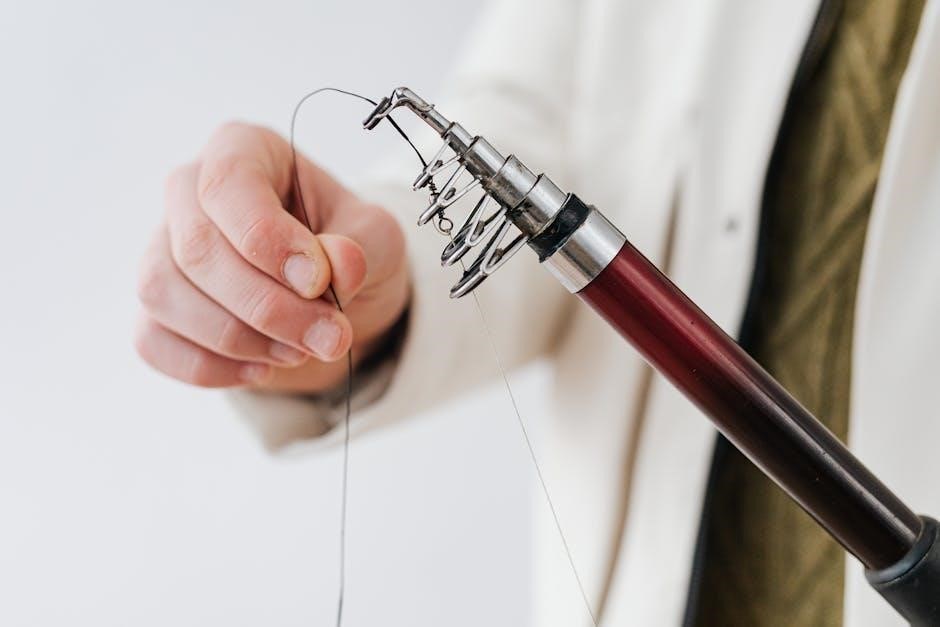
Guide placement along a rod is meticulously planned to distribute stress evenly during casting and retrieving, influencing line control and power transfer. The initial guide, closest to the reel, is larger to manage line flow, gradually decreasing in size towards the tip. Guide number varies based on rod length and intended use; longer rods generally require more guides.
Proper spacing prevents line slap against the blank, reducing friction and improving casting distance. Manufacturers employ precise calculations to optimize guide placement for specific rod actions and line types. Incorrect placement can lead to reduced casting performance and potential rod damage. A well-guided rod ensures smooth, efficient operation.
Impact of Guide Quality on Performance
Guide quality significantly impacts casting distance, accuracy, and sensitivity. High-quality guides, crafted from materials like ceramic, stainless steel, or titanium, minimize friction, allowing line to flow smoothly. This reduces line wear and maximizes casting efficiency, crucial for techniques like bass fishing.
Inferior guides can cause line friction, leading to heat buildup and potential line failure. They also diminish sensitivity, hindering the angler’s ability to detect subtle strikes. Durable guides resist corrosion, extending the rod’s lifespan, particularly important in saltwater environments. Investing in quality guides translates to improved performance and a more enjoyable fishing experience.
Choosing the Right Guided Rod for Bass Fishing
Selecting a bass rod depends on technique, lure weight, and fishing environment; rod action and power are key considerations for optimal performance and angler comfort.
Rod Action for Bass Fishing Techniques
Rod action, describing where a rod bends along its length, significantly impacts bass fishing success. Fast action rods bend primarily at the tip, offering sensitivity for detecting subtle bites and power for quick hooksets – ideal for techniques like Texas rigging and jigs.
Moderate action rods bend more towards the middle, providing a balance of sensitivity and casting distance, suitable for crankbaits and spinnerbaits. Slow action rods bend throughout the entire length, offering excellent casting distance and shock absorption, best for topwater lures or fishing with live bait.
Choosing the correct action aligns with the specific technique, enhancing lure presentation and increasing the likelihood of landing a bass. Understanding these nuances is crucial for any angler seeking to improve their bass fishing game.
Rod Power for Different Bass Lures
Rod power dictates the amount of force needed to bend the rod, directly correlating to the weight of lures and line strength. Light power rods are best for finesse techniques using lighter lures under 1/4 oz, like drop shots or small worms.
Medium power rods, a versatile choice, handle lures from 1/4 to 3/4 oz, accommodating various techniques like spinnerbaits and shallow crankbaits. Heavy power rods excel with heavier lures exceeding 3/4 oz, ideal for deep-diving crankbaits, swim jigs, and flipping into heavy cover.
Matching rod power to lure weight optimizes casting distance, sensitivity, and hooksetting power, preventing lure overload or insufficient power for solid hooksets. Selecting the appropriate power is vital for effective bass fishing.
Considering Your Fishing Environment
Your fishing environment profoundly influences guided rod selection. Open water scenarios, like large lakes or reservoirs, benefit from longer rods (7’+), enhancing casting distance for covering more ground. Confined spaces, such as heavily wooded areas or small ponds, demand shorter rods (under 7’) for maneuverability.
Structure-rich environments, with abundant weeds, timber, or rocks, require rods with increased power to extract bass quickly. Clear water often calls for finesse presentations with lighter power rods, while murky water favors heavier power rods and vibration-inducing lures.
Adapting your rod choice to the specific environment maximizes efficiency and increases your chances of success.
Guided Rods and South African Fishing
South African anglers target diverse species, influencing rod choices; local tackle shops offer specialized guided rods, impacted by economic factors like lending rates and savings.
Popular Fish Species and Rod Choices in South Africa
South Africa’s diverse coastline and inland waters host a variety of popular fish species, each demanding specific guided rod characteristics. For targeting Garrick and Kob, heavier power rods, around 10-15lb test line, with moderate-fast action are preferred for long casts and powerful retrieves.
When pursuing Yellowtail and Tuna, anglers often utilize robust baitcasting setups with higher line capacities and fast actions to handle aggressive strikes and strong runs. Freshwater species like Largemouth Bass benefit from lighter spinning or baitcasting rods, with moderate action for lure presentation and hook setting.
Understanding the species’ fighting style and typical habitat is crucial when selecting the appropriate guided rod, ensuring optimal performance and angling success. Local tackle shops can provide tailored recommendations based on current fishing conditions and species availability.
Local Tackle Shops and Brands
South Africa boasts a thriving network of local tackle shops catering to diverse angling needs. These shops offer expert advice, a wide selection of guided rods, and essential accessories. Prominent retailers include Anglers Paradise, specializing in saltwater gear, and Bass Pro Shops, focusing on freshwater equipment.
Several South African brands are gaining recognition for quality and innovation. Kingfisher offers a range of affordable yet reliable rods, while Shimano South Africa provides high-performance options for serious anglers. Frontier Fly Fishing specializes in fly rods and equipment tailored to local conditions.
Supporting local businesses ensures access to specialized knowledge and contributes to the growth of the South African fishing industry. These shops often host workshops and events, fostering a community of passionate anglers.
Rod Maintenance and Care
Regular cleaning and proper storage are vital for guided rod longevity. Repairing damaged guides promptly prevents further issues, ensuring optimal performance and extending its lifespan.
Cleaning and Storing Your Rod
Maintaining your guided rod involves consistent cleaning after each use, especially in saltwater environments. Use a mild soap and lukewarm water to remove salt, dirt, and grime from the rod blank and guides. A soft cloth or brush is ideal to avoid scratching.
Thoroughly dry the rod before storing it to prevent corrosion and mildew. Store rods horizontally or hang them vertically in a cool, dry place, away from direct sunlight and extreme temperatures.
Rod sleeves are excellent for protecting guides during storage and transport. Avoid leaning rods against walls, as this can cause warping. Proper care significantly extends the life of your investment, ensuring years of reliable performance on the water, whether in South Africa or elsewhere.
Repairing Damaged Guides

Damaged guides on a guided rod can severely impact casting distance and line control, necessitating repair or replacement. Minor scratches on ceramic inserts can sometimes be polished, but cracked or broken guides require more extensive work.
Professional rod builders offer guide replacement services, ensuring proper alignment and secure bonding. DIY repairs are possible with specialized epoxy and guide-wrapping thread, but require skill and patience.
Carefully remove the old guide foot, clean the rod blank, and securely attach the new guide using epoxy. Allow sufficient drying time before use. Addressing guide damage promptly prevents further deterioration and maintains the rod’s performance, crucial for successful angling in South African waters.
Preventative Measures for Longevity
Extending the life of your guided rod requires consistent care and preventative maintenance. After each fishing trip, thoroughly rinse the rod with freshwater to remove salt, sand, and debris, especially important in South Africa’s coastal environments.
Avoid leaning rods against abrasive surfaces and store them in a protective case or rod rack to prevent accidental damage. Regularly inspect guides for cracks or chips, addressing minor issues before they escalate.
Applying a rod protectant can shield the blank from UV rays and environmental factors. Proper storage and routine cleaning significantly contribute to the longevity of your investment, ensuring years of reliable performance.
Guided Rods and Economic Factors (South Africa)
South Africa’s lending rates and consumer spending directly influence fishing equipment purchases, including guided rods; household savings also play a vital role in recreational fishing.
Impact of Lending Rates on Fishing Equipment Purchases
Fluctuating lending rates in South Africa significantly affect the affordability of guided rods and related fishing gear. When rates rise, as seen with the Bank of Namibia’s recent stability at 10.25%, accessing credit for discretionary purchases like fishing equipment becomes more expensive. This increased cost of borrowing can deter potential buyers, leading to decreased demand for higher-priced rods. Conversely, lower lending rates encourage spending, potentially boosting sales.
The prime overdraft rate, benchmarked at 3.5 basis points above the repurchase rate, directly influences personal loan interest rates. Anglers relying on financing to acquire quality guided rods may postpone purchases during periods of high interest, impacting tackle shop revenue and overall market growth within the South African fishing industry.
Consumer Spending Trends in Fishing
Consumer spending patterns in South Africa reveal a nuanced relationship with recreational fishing and guided rod purchases. While a primal allure exists for fishing, economic conditions heavily influence discretionary spending. Periods of economic uncertainty often lead to reduced expenditure on non-essential items like fishing tackle, impacting demand for both entry-level and high-end guided rods.
Data indicates fluctuations in household savings directly correlate with consumer confidence and willingness to invest in leisure activities. Positive economic indicators, like a widening trade surplus, can stimulate spending, while downturns necessitate budget prioritization. Understanding these trends is crucial for tackle shops and manufacturers to adapt their strategies and inventory accordingly.
Household Savings and Recreational Fishing
Household savings rates in South Africa significantly impact participation in recreational fishing, directly affecting guided rod sales. When savings are robust, consumers are more inclined to invest in hobbies and leisure pursuits, including upgrading fishing equipment. Conversely, economic pressures and reduced disposable income often lead to deferred purchases of items like guided rods.
Recent data suggests a correlation between consumer confidence and spending on recreational activities. A stable economic climate encourages investment in quality tackle, while uncertainty prompts a shift towards more affordable options or postponement of purchases. Understanding this dynamic is vital for forecasting demand and tailoring product offerings to meet evolving consumer needs.

Future Trends in Guided Rod Technology
Innovation drives guided rod evolution, with new materials, smart technology integration, and a growing focus on sustainable, eco-friendly manufacturing processes emerging rapidly.
New Materials and Designs
The future of guided rods hinges on material science advancements. Manufacturers are exploring beyond traditional graphite and fiberglass, investigating nano-materials for increased strength and sensitivity. Expect to see more rods incorporating graphene, enhancing power transfer and reducing weight. Designs are also evolving; multi-modulus blanks, combining different carbon fiber types, are becoming prevalent, offering tailored flex profiles.
Furthermore, expect innovative joint designs minimizing weight and maximizing sensitivity. Computer-aided design (CAD) and finite element analysis (FEA) are optimizing rod shapes for specific fishing applications. We’ll likely see more ergonomic handle designs, improving angler comfort during extended use, and potentially self-adjusting guide systems adapting to different line weights and casting styles. These advancements promise a new generation of high-performance guided rods.
Smart Rods and Integrated Technology
The integration of technology into guided rods represents a significant leap forward. “Smart rods” are emerging, equipped with sensors to measure casting distance, line angle, and even fish strikes. This data, transmitted wirelessly to a smartphone app, provides anglers with real-time feedback to improve technique.
Integrated line tension sensors could indicate optimal lure presentation, while GPS tracking can mark successful fishing spots. Some prototypes include miniature cameras within the rod, offering underwater views. Powering these features requires lightweight, durable batteries. Expect advancements in haptic feedback, alerting anglers to subtle bites. These innovations promise a more informed and connected fishing experience, blending tradition with cutting-edge technology.
Sustainability and Eco-Friendly Rods
Growing environmental awareness is driving demand for sustainable guided rods. Manufacturers are exploring eco-friendly materials like recycled plastics for reel seats and cork alternatives from rapidly renewable sources. Bio-resins, derived from plant-based oils, are replacing traditional epoxy resins in graphite rod construction, reducing reliance on fossil fuels.
Focus is shifting towards minimizing waste during production and creating rods designed for longevity, reducing the need for frequent replacements. Responsible sourcing of wood for handles and packaging materials is also crucial. Consumers are increasingly seeking brands committed to ethical and sustainable practices, supporting a greener future for angling.